
Nebraska Center for the Prevention of Obesity Diseases through Dietary Molecules
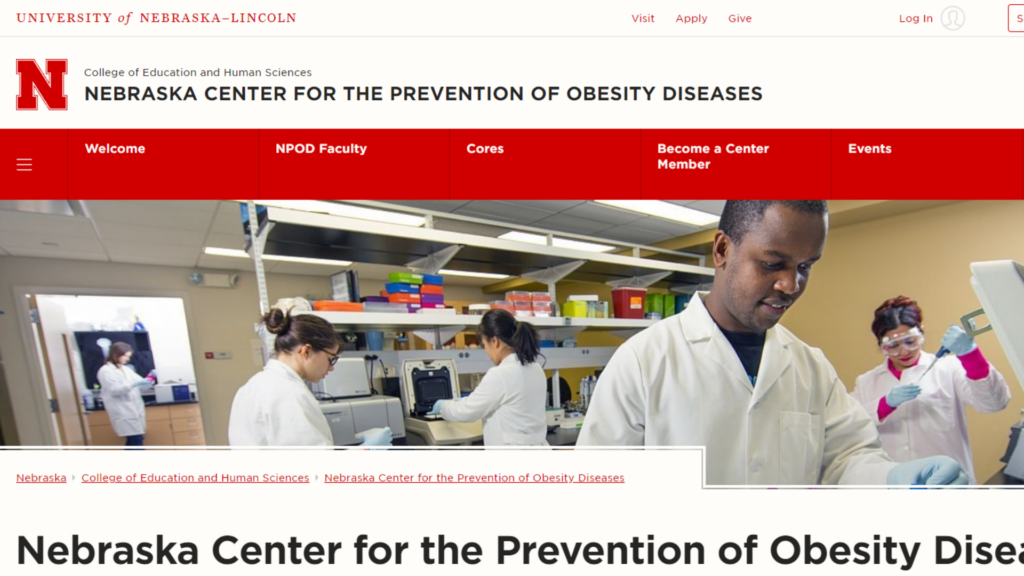
The Nebraska Center for the Prevention of Obesity Diseases through Dietary Molecules (NPOD) supports research on the identification of biological signals that prevent, treat, and cure obesity and related diseases. The emphasis of NPOD is on food-borne signals. Led by the University of Nebraska-Lincoln (UNL) in close collaboration with the University of Nebraska Medical Center […]
COBRE, Epigenomics of Development and Disease
The Epigenetics Working Group unites multiple research teams using different conceptual frameworks and experimental approaches to study epigenetic mechanisms regulating development and aging. Using a wide range of experimental systems, research teams are aiming to uncover how exposure to developmental and environmental stress leads to the accumulation of genome-wide epigenetic changes and whether these changes […]
COBRE: Stem Cells and Aging

This Phase II COBRE application entitled ‘Stem Cells and Aging’ focuses on neural and hematopoietic stem cells, their microenvironments and the impact of aging, fibrosis, and senescence on their regulation and evolution to diseases of the central nervous system and bone marrow. The COBRE continues to be led by Dr. Peter Quesenberry, but now adds […]
COBRE for Stress, Trauma and Resilience (STAR)
The Initiative on Stress, Trauma, and Resilience (STAR) was formed in 2019 with support from the Department of Psychiatry and Human Behavior. The STAR Initiative aims to foster transdisciplinary collaborations within Brown University, to provide training opportunities for researchers and clinicians who want to address stress and trauma, to enhance partnerships with local and community stakeholders, and to affect policy […]
NAIPI Eastern IDEA member states Updated
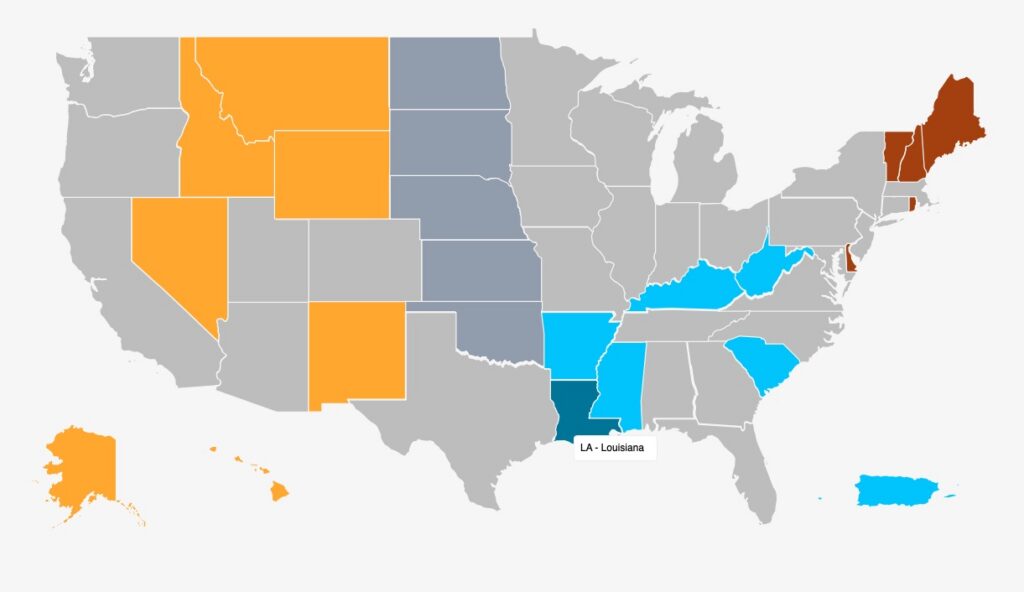
We are excited to share with our members that all of pages for Eastern IDEA member states have been updated on the NAIPI portal. Each page has links to senators and district representatives, NIH funding numbers as well as key PIs and funded programs. South Eastern:Louisiana: https://naipistg.wpenginepowered.com/south-eastern-region/louisiana/Arkansas: https://naipistg.wpenginepowered.com/south-eastern-region/arkansas/Mississippi: https://naipistg.wpenginepowered.com/south-eastern-region/mississippi/West Virginia: https://naipistg.wpenginepowered.com/south-eastern-region/west-virginia/Puerto Rico: https://naipistg.wpenginepowered.com/south-eastern-region/puerto-rico/Kentucky: https://naipistg.wpenginepowered.com/south-eastern-region/kentucky/South Carolina: […]
COBRE- Vermont Center on Behavior and Health

The Vermont Center on Behavior and Health (VCBH) was established in 2013 to study the relationship between behavior and health. The VCBH has become a vibrant research center supported by multiple federal grants including a Tobacco Centers of Regulatory Science (TCORS) Award from the National Institute on Drug Abuse (NIDA)/Food and Drug Administration (FDA) and a Centers of […]
Discovery of Chemical Probes and Therapeutic Leads
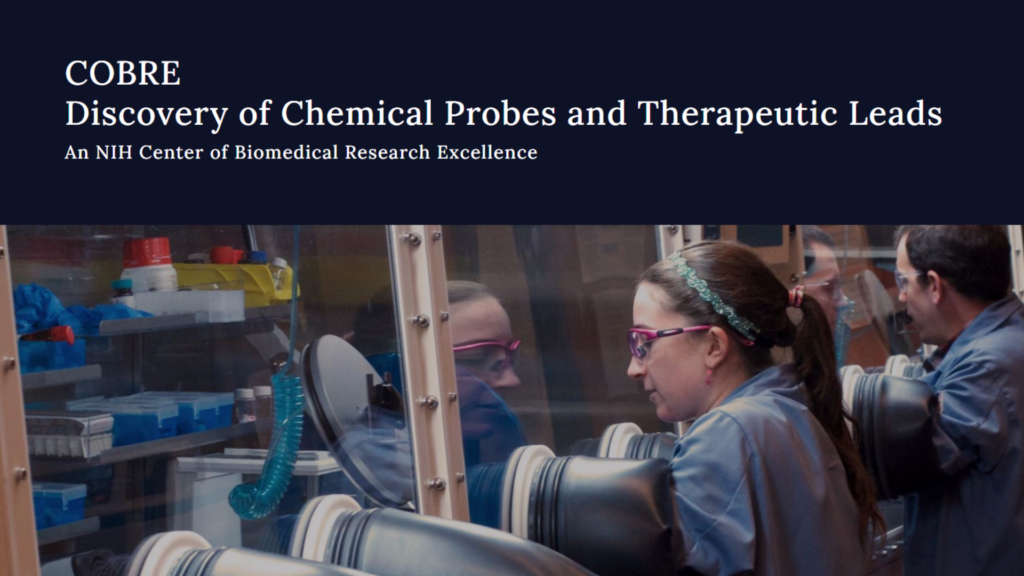
In this COBRE, novel approaches to developing chemical probes and therapeutic leads will be pursued by a diverse team of scientists. This COBRE will create new libraries for high-throughput screening, provide new perspectives on innate immune response and neurodegenerative disease, enable new screening technology, and advance the state of the art in virtual screening. The […]
Center for Quantitative Biology: A Focus on “Omics”, From Organisms to Single Cells
Center for Quantitative Biology: A focus on omics, from organisms to single cells PROJECT SUMMARY High-throughput genomic, proteomic, metabolomic, and immune-profiling technologies now provide a wealth of data that can be mined to interrogate basic biological processes, changes in cellular or organismal populations, and the molecular bases of disease, at levels ranging from the whole […]
Vermont Center for Cardiovascular and Brain Health
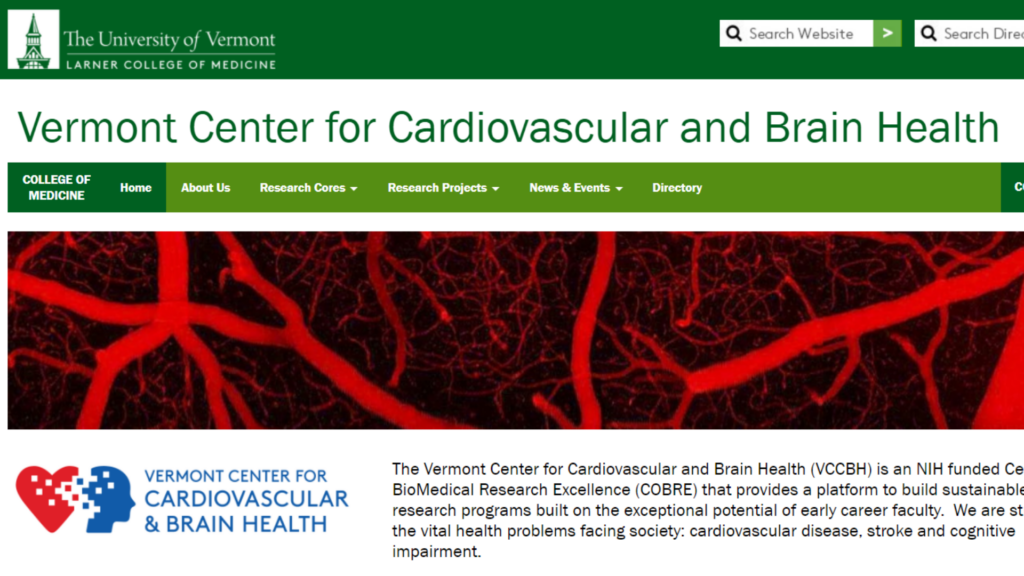
The Vermont Center for Cardiovascular and Brain Health (VCCBH) is an NIH funded Center for BioMedical Research Excellence (COBRE) that provides a platform to build sustainable research programs built on the exceptional potential of early career faculty. We are studying the vital health problems facing society: cardiovascular disease, stroke and cognitive impairment. We are moving […]
COBRE Phase III Transitional Center
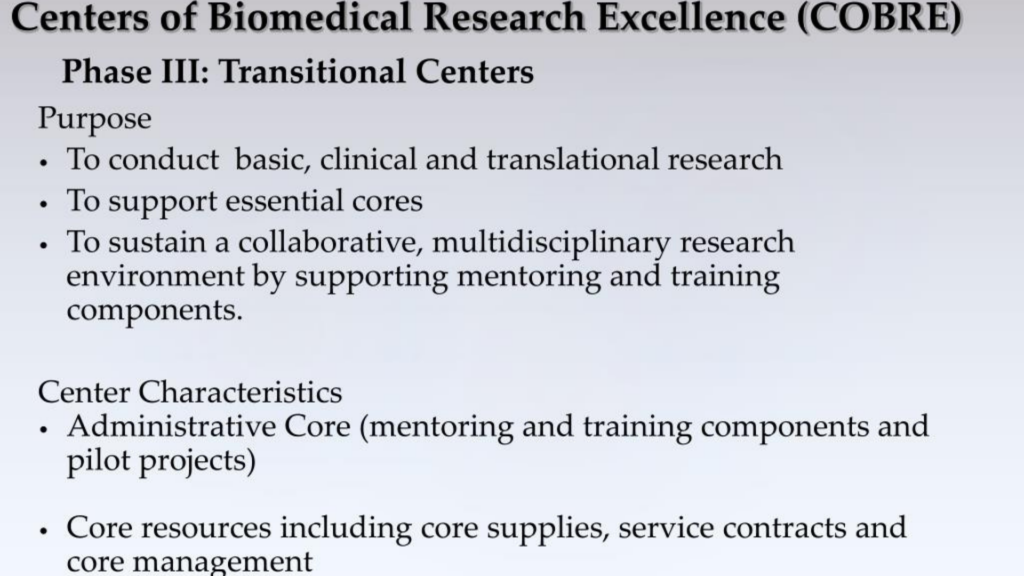
The Center of Biomedical Research Excellence for Research on Processes in Evolution at the University of Idaho is organized under the auspices of the Institute for Bioinformatics and Evolutionary Studies (IBEST). For the past 10 years, COBRE funding enabled IBEST investigators to conduct leading-edge interdisciplinary research in computational and evolutionary biology and to mentor early […]