
Robert Eoff

Robert Eoff, PhD, is a professor of biochemistry at the University of Arkansas for Medical Sciences. Member Winthrop P. Rockefeller Cancer Institute. DNA replication is a complex and perilous undertaking for the cell because the risk of incurring insults to the genome is greatest when the double-helix is unwound for copying. My research team studies what happens […]
Edie Goldsmith

Dr. Edie Goldsmith is a professor of cell biology and anatomy at the University of South Carolina and an established investigator who is the PI for South Carolina IDeA Networks of Biomedical Research Excellence (SC INBRE) Association. The extracellular matrix (ECM) is a dynamic network consisting of structural proteins (collagens), glycoproteins and proteoglycans that provide […]
Melinda K. Duncan

Dr. Melinda K. Duncan is a trustees distinguished professor of biology at the University of Delaware and an established investigator who is the PI for Delaware INBRE Association. The vertebrate lens is a remarkable tissue that has many evolutionary adaptations that allow it to remain transparent throughout life. Further, its cell biology is quite distinct […]
Victor Huber

Dr. Victor Huber is a professor of Biomedical & Translational Sciences at the University of South Dakota and an established investigator who is the PI for South Dakota Biomedical Research Infrastructure Network Association. Victor Huber, PhD is a Professor in the Division of Basic Biomedical Sciences at the University of South Dakota Sanford School of […]
Rick Bevins

Rick Bevins, CHANCELLOR’S PROFESSOR & INTERIM ASSOCIATE VICE CHANCELLOR FOR RESEARCH: Psychology; Principal Investigator of COBRE, Rural Drug Addiction Research Center, Nebraska. Rick Bevins, PhD is the Willa Cather Professor of Psychology at the University of Nebraska–Lincoln and a nationally recognized researcher in the field of behavioral neuroscience. His work focuses on the psychological and […]
Qian-Quan Sun
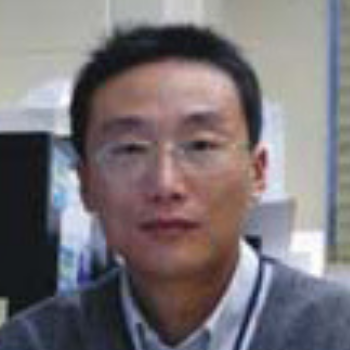
Qian-Quan Sun, Ph.D. Assistant Professor in the Department of Zoology and Physiology; Principal Investigator of Wyoming Sensory Biology Core, Wyoming. Research Interests Neuroscience Neurophysiology Information processing in the brain depends on inter-connected neuronal networks. The connections of neuronal networks are fine-tuned during critical periods of brain development and maladaptively reorganized in neurological diseases. We want […]
Claude Shuttleworth
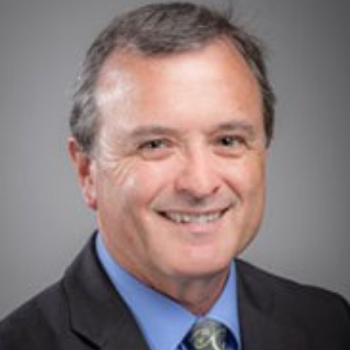
Claude Shuttleworth, Ph.D., Principal Investigator, University of New Mexico Health Sciences Center. Thematic Scientific FocusDevelopment and testing of interventions for survivors of acquired brain injuries Research Projects Functional recovery from acute brain injury via human neural stem cell transplantation Brain stimulation in animal models of recovery from acute brain injury Predicting recovery of cognitive control […]
Douglas Wright

Douglas Wright, Ph.D., Professor, Anatomy and Cell Biology, Principal Investigator Kansas: IDeA Network of Biomedical Research Excellence (K-INBRE), Kansas. Douglas Wright, Ph.D. is a Professor of Anatomy and Cell Biology at the University of Kansas Medical Center. Dr. Wright completed his Ph.D. from the University of Kentucky and his postdoctoral studies at Washington University. He […]
Susan Lunte

Susan Lunte, Ralph N. Adams Distinguished Professor of Chemistry and Pharmaceutical Chemistry, Director, Adams Institute for Bioanalytical Chemistry. Principal Investigator & Director, NIH COBRE Center for Molecular Analysis of Disease Pathways, Kansas. ResearchResearch interests of the Lunte group include: (1) microanalytical methods for the investigation of the transport and metabolism of peptides across the blood-brain […]
Scott Hefty

P. Scott Hefty, Professor, MB Undergraduate Studies Director; Principal Investigator of Chemical Biology of Infectious Disease, Kansas. Hefty Lab: Chlamydia (klah-MID-e-a) are obligate intracellular bacteria that are propagated and maintained through a phylum defining bi-phasic developmental cycle. The bacteria are transmitted between cells and hosts as small, metabolically inert, Elementary Bodies (EB). After directing entry […]