
Rhode Island Hospital Injury Control Center for Biomedical Research Excellence (COBRE)
PROJECT SUMMARY (Overall) Injury is the leading cause of death for individuals 1-44 years of age and contributes to over 30 million emergency department visits annually1. There is a tremendous need for greater scientific understanding and strategies to combat the injury epidemic yet injury control research is underfunded compared to other leading causes of […]
Injury Control COBRE
Injury occurrence is typically thought of as “bad luck” or fatalistic; however, over the last fifty years the field of injury control science has grown to demonstrate that injuries can be controlled. Many injuries can be prevented through behavioral interventions, engineering strategies, dissemination of education, and policy implementation. Mission: The Rhode Island Hospital (RIH) Injury […]
COBRE: Stem Cells and Aging

This Phase II COBRE application entitled ‘Stem Cells and Aging’ focuses on neural and hematopoietic stem cells, their microenvironments and the impact of aging, fibrosis, and senescence on their regulation and evolution to diseases of the central nervous system and bone marrow. The COBRE continues to be led by Dr. Peter Quesenberry, but now adds […]
COBRE for Stress, Trauma and Resilience (STAR)
The Initiative on Stress, Trauma, and Resilience (STAR) was formed in 2019 with support from the Department of Psychiatry and Human Behavior. The STAR Initiative aims to foster transdisciplinary collaborations within Brown University, to provide training opportunities for researchers and clinicians who want to address stress and trauma, to enhance partnerships with local and community stakeholders, and to affect policy […]
Center for Central Nervous System Function
Purposeful human behavior requires attention, decisions and construction and production of abstract sequences, all basic functions mediated by brain networks primarily located in the neocortex, but modulated and shaped by sub-cortical processing. In a general and even a specific sense, attention, decision making and production of abstract sequences are key components of human mental activities. […]
Center for Addiction and Disease Risk Exacerbation
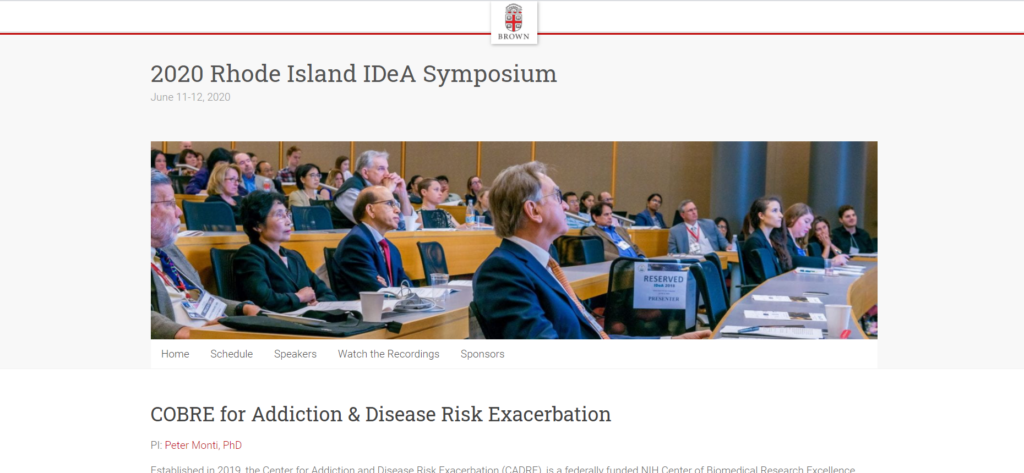
Substance use (SU) negatively affects the risk, management, progression, and outcomes of chronic disease and contributes to socio-economic and racial/ethnic disparities. Prevalence rates of medical conditions among patients with versus those without substance abuse disorders (SUDs) support this thesis. Furthermore, risks are exacerbated among those at risk for or who already have chronic medical conditions, […]
COBRE: Center for Computational Biology of Human Disease
We propose to establish and build the COBRE Center for the Computational Biology of Human Disease at Brown University and affiliated hospitals. The motivation for this effort lies in the joint promise that personalized genomic medicine and novel analyses of Big Data are key elements in the identification and treatment of human disease. Sequencing a […]
CardioPulmonary Vascular Biology COBRE
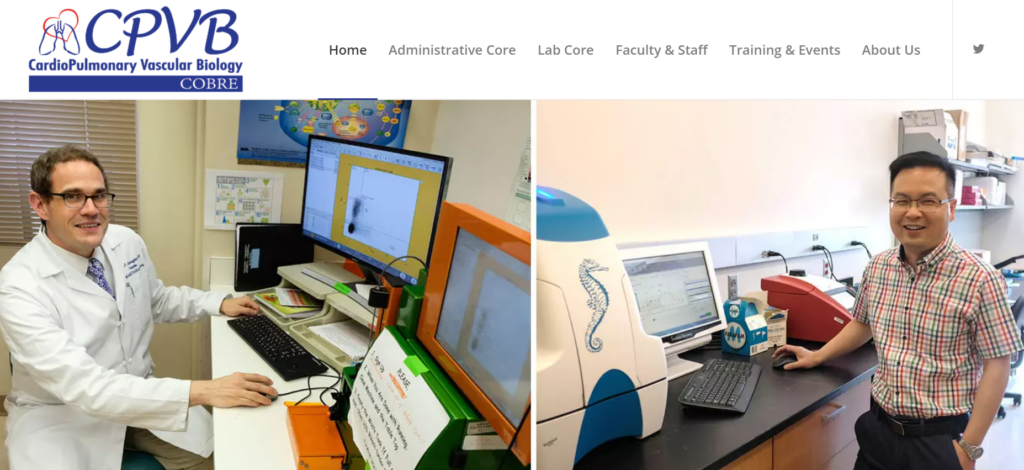
The vision of the CardioPulmonary Vascular Biology Center of Biomedical Research Excellence (CPVB COBRE) is to advance understanding of vascular diseases affecting the pulmonary and cardiovascular systems. This vision will be accomplished through research performed by a multidisciplinary group of outstanding investigators who are using cutting edge tools to understand the pathobiology of vascular diseases. […]
COBRE Center for Sleep and Circadian Rhythms in Child and Adolescent Mental Health
This COBRE will establish a Center on Sleep and Circadian Rhythms in Child and Adolescent Mental Health at the EP Bradley Hospital in Rhode Island. Bradley Hospital is unique in the US as a psychiatric institution exclusively focused on children and a national resource for research in child and adolescent psychiatry. Links between mental illness […]
COBRE Center on Opioids and Overdose

We propose to build and sustain the Center of Biomedical Research Excellence (COBRE) on Opioids and Overdose at Rhode Island Hospital and affiliated research institutions. The motivation for this effort lies in the tremendous need for greater scientific understanding of the mechanisms underpinning vulnerability to opioid use disorder and a need for more effective interventions […]